
Covid times, which restricted human activity and mobility, have frozen many financial operations. Obviously, these restrictions should leave a trace. Unrealized needs and desires require to be compensated in other ways if they could not be realized in an accustomed one. So, once the threat has gone and people felt themselves in relative safety, they started compensating for all they lost during the pandemic – travels that could not happen; celebrations that could not be organized; purchases that were delayed, etc.
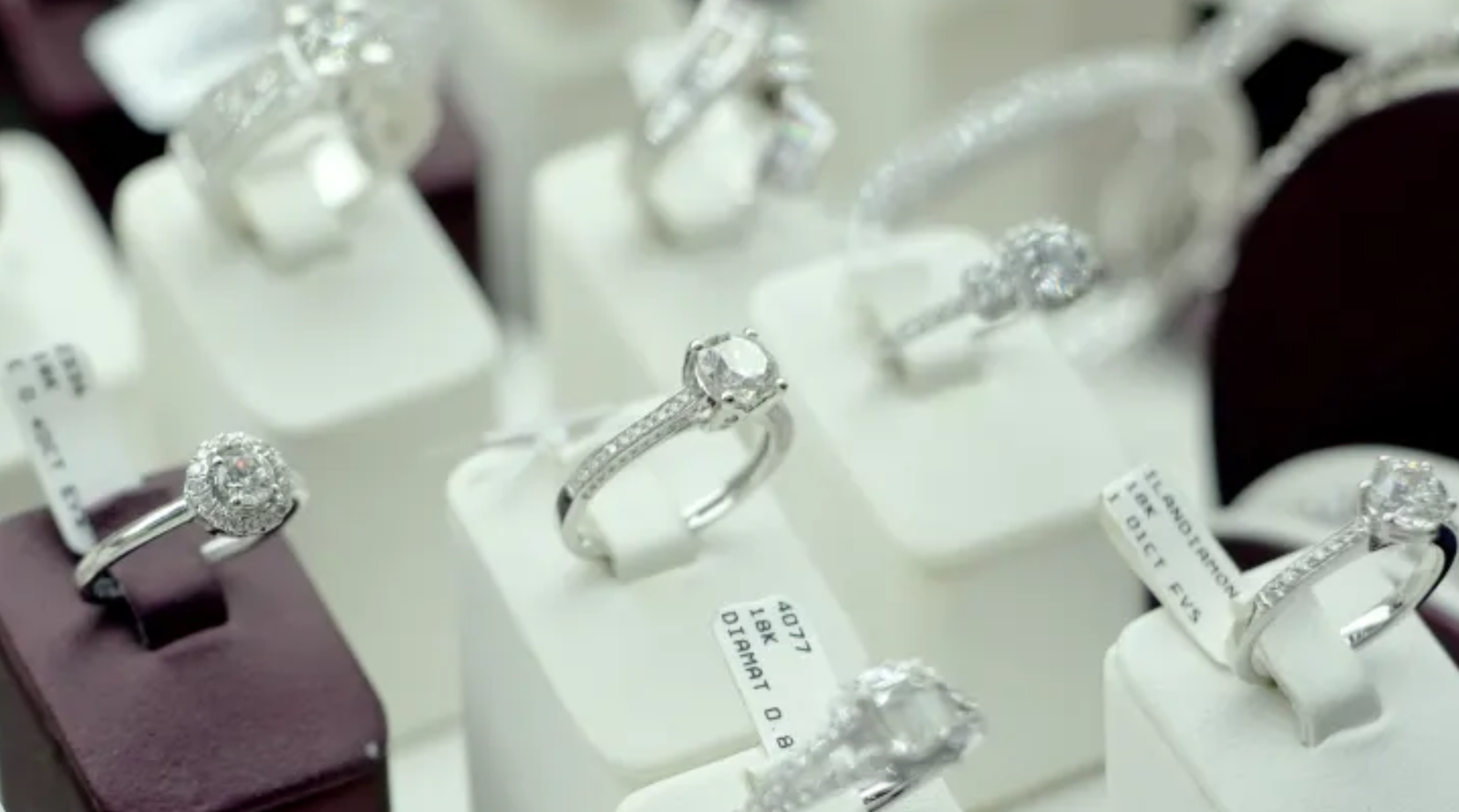
The thirst for emotions caused an incredibly high demand for jewelry. And, by the way, the unclear nature of the coronavirus become a convincing reason to consider ecology and choose artificial diamonds instead of buying traditional natural gems. It could not help but cause the price increase for the diamonds. So, last year brought a peak in pricing. Yet, it didn’t last long.
The new season is marked by an 18% decline in price for natural diamonds and an enlarged gap between prices for natural and artificial diamonds if compared to the previous period indicators.
The good news for the artificial diamond industry is, that the price drop can be, easily compensated by purchasing volumes and constantly increasing market share. Last year industry reached 10% sales globally and it is, 4 times more artificial diamonds than were sold in 2018. Just two years and so surging growth that is likely to be, continued in the next periods.
Besides the growing demand for artificial diamonds from consumers, there are a few important reasons that precondition such a pace of events in the jewelry market.
A responsible business approach is the core one. Ethical accents that closely correspond to the current social values determine the direction of the business as well. They also create a window for competition and, thus, a ground for distinguishing identical manufactured products from each other. It means that selling simply artificial diamonds that are ethical by nature is not the case anymore. Today consumers are, highly educated and tend to compare every smallest detail related to the way of product’s production, meaning technology use, level of energy and water consumption. Environmental approaches in packaging and delivery, etc.

Thus, if you are a responsible manufacturer, you have better chances to sell your product than those who do not care about improvements but just produce artificial diamonds. Madestones, which is trading lab-grown diamonds shares that the majority of their consumers come to them not just because of buying the product but mostly because of sharing their corporative philosophy based on a strong commitment to innovations.
Branding and greater opportunities for wholesale are other meaningful reasons fueling the growth of market share. Just a few years ago small manufacturers should look for the sales market. Today this task has become easier since artificial diamonds have entered the fashion segment closely. The jewelry giants, which have a wide audience of consumers, made a shift to the diamonds grown in the laboratories. These are fashion brands like Pandora, Signet, and Swarovski, that declare a rise in sales after embracing artificial diamonds. It means that these brands will need more and more diamonds to design their jewelry, which has been already popular. Most likely, it will be a huge order for refined diamonds of big sizes since. They are better for turning identical gems into unique pieces when cutting.
Branding also entails a more aggressive marketing campaign since many people, including celebrities, strive to have touch with famous brands. One can see that lately celebrities are wearing artificial diamonds for stepping on a red carpet. Or scene, or their weddings more often than ever. Even international official visits cannot do without gifting an ethical diamond. One of the latest examples is gifting a lab-grown diamond to US first lady Jill Biden by Indian Prime Minister Narendra Modi during the first state visit.
One could not help but mention the meaning of retail margins. It is not a secret that businessmen go there where the better profit is. The artificial diamond industry is more profitable if compared to the natural diamond segment because of the higher retail margin. It enables not only to receive good revenue. But also creates a space for making the price of the product more affordable. Indeed, Edahn Golan, who is an independent analyst, said that “there is room for continued price declines. That is a very likely scenario. Retailer margins for artificial diamonds are high enough – around 60% compared with 34% for natural diamonds.” It means that the tendency to market expansion and price decline will keep continuing.
