
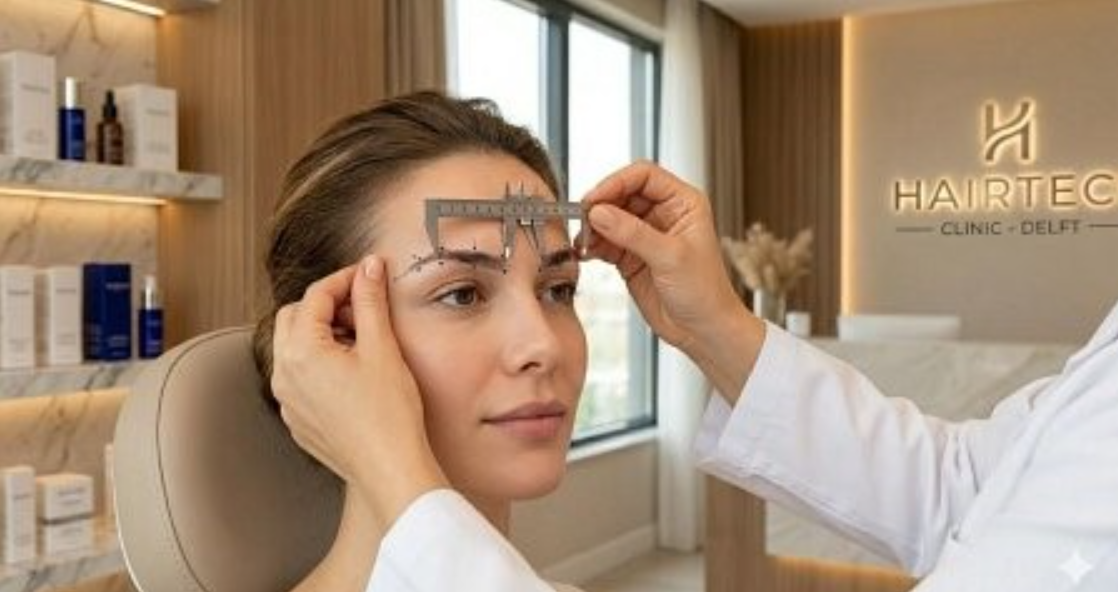
How does an eyebrow hair transplant provide permanent results for individuals facing chronic thinning? Many patients across the United Kingdom now seek clinical solutions to address follicular depletion caused by over-plucking or genetics. Modern microsurgical techniques offer a way to restore natural density by relocating healthy follicles from the scalp.
This medical pathway provides a lasting alternative to daily cosmetic fillers and temporary pigments. Specialists evaluate the underlying biological causes of loss before designing a specific restoration plan. The focus remains on achieving a realistic growth pattern that aligns with the natural bone structure of the face.
What Causes Permanent Thinning of the Eyebrows?
Thinning in the brow region often results from physical trauma or long term environmental factors. Years of repeated plucking can damage the follicle base so severely that natural regrowth becomes impossible. This mechanical stress eventually leads to localized baldness that requires a medical intervention to resolve.
Internal biological shifts also play a significant role in the health of facial hair. Thyroid imbalances and specific nutritional deficits often trigger noticeable shedding across the entire brow arch. Identifying these triggers during the diagnostic phase is crucial for ensuring the success of any subsequent therapy. A clinical blood panel helps doctors rule out reversible conditions before they recommend a surgical route.
Dermatological issues like localized alopecia areata or frontal fibrosing alopecia can also target the brow area specifically. These conditions require a stabilized clinical state before a surgeon can proceed with a relocation procedure. Patients must undergo a thorough scalp and skin examination to confirm that the recipient tissue is healthy enough to support new grafts.
How Does the Follicle Relocation Process Work?
An Eyebrow Hair Transplant involves harvesting individual follicular units from a resistant donor area on the scalp. Surgeons typically select the lower occipital region because the hair diameter in this zone closely matches natural brow hair. The procedure takes place under local anesthesia to maintain patient comfort throughout the session.
The technical success of the implantation depends entirely on the precision of the recipient sites. Clinicians create tiny incisions at very sharp angles to mimic the way brow hair sits flat against the skin. Each graft is placed meticulously to ensure that the emerging hair flows in the correct anatomical direction. This level of detail prevents the artificial appearance often associated with older restoration methods.
Surgical teams monitor the vitality of the grafts constantly while they are outside the body. Keeping the follicles at a controlled temperature and maintaining proper hydration levels is mandatory for a high survival rate. The entire session usually lasts between three and five hours depending on the required density. Patients remain awake and can communicate with the medical staff during every stage of the process.
Which Non-Surgical Therapies Support Early Hair Recovery?
Surgery is often the final step for individuals who have already lost a significant amount of follicular density. Early stage thinning can sometimes be managed with active ingredients like minoxidil to prolong the growth phase of existing hair. These topical applications help stabilize the area while the patient considers more permanent clinical options.
Regenerative medicine offers another supportive pathway for individuals with weakened but active follicles. Practitioners often utilize localized injections to deliver growth factors directly into the dermal layer of the brow. This biological support helps improve the tissue environment and strengthens the hair shafts.
Reviewing Mesotherapy Before & After results demonstrates how targeted nutrient delivery aids in follicular recovery. Many clinics integrate these sessions into their post-operative protocols to boost the health of the newly implanted grafts. This combination of surgical and biological therapies creates a comprehensive approach to facial hair restoration.
Why Should UK Patients Consider Surgery in the Netherlands?
Accessing specialized surgical teams often leads British patients to explore clinical options across the European mainland. The Netherlands operates under strict healthcare regulations and maintains exceptional medical standards for outpatient surgery. The city of Delft has established itself as a primary center for advanced microsurgical procedures.
A structured international care model eliminates the logistical stress usually associated with medical travel. Patients complete their initial assessments and diagnostic planning locally within the United Kingdom. This ensures that the medical team has all the necessary data before the patient travels for the operation. The actual Hair Transplant procedure takes place at the primary surgical facility in Delft.
Hairtec utilizes this integrated system to provide Dutch surgical expertise with the convenience of local support. British individuals benefit from competitive European rates without sacrificing the quality of their clinical follow-up care. The same medical network manages the patient journey from the first consultation through the entire first year of recovery.

What Are the Key Differences Between Clinical Restoration Methods?
Selecting the right intervention requires a clear understanding of how different medical pathways function. Specialists categorize these treatments based on the severity of the hair loss and the goals of the patient.
| Category | Delivery Method | Ideal Clinical Profile |
| Topical Support | Daily application | Early thinning with active roots |
| Nutrient Therapy | Epidermal injections | Weak follicles needing biological aid |
| Surgical Restoration | Microsurgical relocation | Permanent structural loss or scarring |
A phased approach helps preserve as much natural hair as possible before moving to invasive steps. Doctors often recommend starting with biological support if the follicles are still active. Surgery is reserved for cases where the skin has become smooth and no longer produces terminal hair.
What Rules Must Be Followed During the Recovery Phase?
The first fourteen days after the operation dictate the final aesthetic success of the transplant. Patients must adhere to strict clinical guidelines to prevent the displacement of the delicate new grafts. Failure to follow these rules can lead to poor density or irregular growth patterns.
Medical teams provide a comprehensive list of post-operative restrictions for every patient:
- Avoid touching or scratching the brow region for the first seven days.
- Use a specialized saline spray to keep the healing tissue hydrated.
- Refrain from intense physical exercise to keep blood pressure stable.
- Protect the facial area from direct sunlight and environmental pollutants.
- Sleep in an elevated position to minimize localized swelling.
Adhering to these rules allows the follicles to establish a secure blood supply within the facial tissue. Most patients see the initial redness fade within the first week of the recovery period. Full integration and new growth cycles typically resume within six months of the surgical session.
Eyebrow Hair Transplant FAQs
At what age can a patient safely undergo this procedure?
Clinical teams generally suggest waiting until the age of 25 to ensure that hair loss patterns have fully stabilized. This timing allows for a more predictable and permanent surgical plan that adapts to future aging.
How long do the results of the relocation last?
Follicles moved from the back of the scalp are genetically resistant to thinning and will continue to grow for a lifetime. These hairs retain their original characteristics but require regular trimming to maintain a natural brow length.
Is the follicular extraction process painful?
The medical team applies local anesthesia to the donor and recipient areas to ensure a pain-free experience. Most patients feel only a minor pressure during the procedure and can relax comfortably while the surgeon works.
When can I return to normal social activities?
Most individuals feel comfortable returning to work and social settings within five to seven days after the operation. Any minor scabbing or redness usually resolves within this timeframe as the skin heals.
Can this procedure cover scars from past injuries?
Microsurgical relocation is an effective way to hide scar tissue by placing new follicles directly into the damaged area. The surgeon must first evaluate the blood supply in the scar to confirm it can support healthy growth.
Why is the Delft facility preferred for British patients?
The center in Delft offers a combination of high European safety standards and specialized expertise in facial hair restoration. Patients receive a structured experience that bridges the gap between UK consultations and Dutch surgical precision.
