
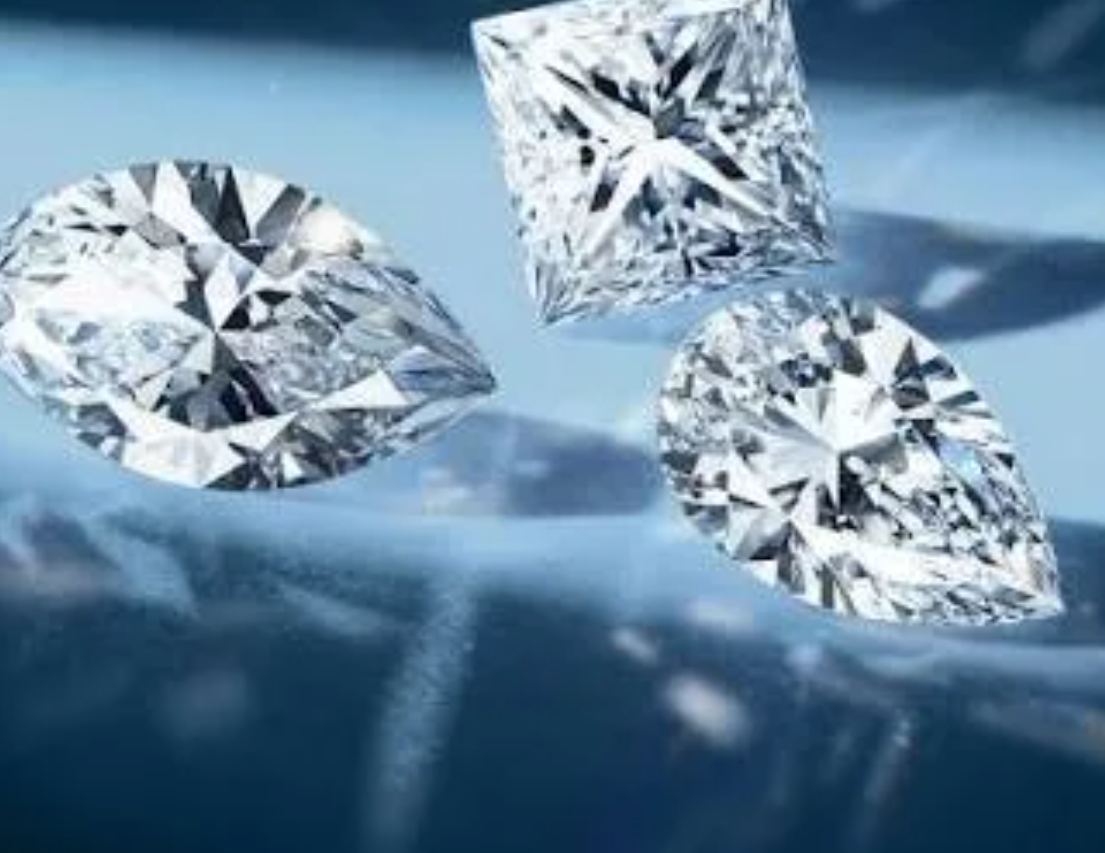
The diamond jewellery market has changed significantly in recent years, giving modern buyers more choice than ever before. Among the most important developments is the growing popularity of lab diamonds, which offer the same fundamental diamond characteristics as mined diamonds while providing another option for people who want exceptional beauty, quality, and value.
For customers researching lab diamonds Singapore, the buying experience is increasingly focused on more than simply finding an attractive stone. Shoppers want confidence in what they are purchasing, access to genuine diamonds, professional guidance, quality jewellery craftsmanship, and the opportunity to compare stones before making an important decision.
We believe that choosing a diamond should be an informed and enjoyable experience. Whether we are selecting an engagement ring, a wedding band, earrings, a pendant, or another piece of fine jewellery, understanding how lab diamonds are created, graded, selected, and set allows us to make a purchase with greater confidence.
What Are Lab Diamonds?
Lab diamonds are diamonds created using advanced technology in a controlled laboratory environment. Unlike diamond simulants such as cubic zirconia, a laboratory-grown diamond is not simply an imitation designed to look like a diamond.
Lab-grown diamonds have essentially the same chemical composition and crystal structure as natural diamonds. They are made of carbon arranged in the characteristic crystal structure associated with diamond, which gives the stone its familiar hardness, brilliance, and optical properties.
Two principal technologies are used to create lab diamonds: Chemical Vapour Deposition (CVD) and High Pressure High Temperature (HPHT). Both methods recreate conditions that allow diamond crystals to form, although the processes themselves are different.
This distinction is important when shopping because a genuine lab-grown diamond should be treated as a real diamond rather than being confused with diamond alternatives.
Why Are Lab Diamonds Becoming So Popular?
One of the biggest reasons for the increasing interest in lab diamonds is the combination of beauty, choice, and value.
Modern diamond buyers often want to allocate their jewellery budget carefully. A laboratory-grown diamond can provide an opportunity to select a larger or higher-quality stone within a particular budget, depending on the characteristics being compared.
This gives shoppers greater flexibility when choosing the four primary characteristics traditionally considered when evaluating diamonds:
- Cut
- Colour
- Clarity
- Carat weight
Rather than automatically choosing the largest stone, we can consider how these characteristics work together to create the appearance and quality we want.
Understanding the 4Cs When Buying Lab Diamonds
Cut: The Key to Diamond Brilliance
Cut is one of the most important factors influencing how a diamond interacts with light. A well-cut diamond can return light effectively through the top of the stone, producing the sparkle that many buyers associate with a beautiful diamond.
When comparing lab diamonds, we should pay close attention to cut quality rather than concentrating exclusively on carat weight.
A smaller diamond with an excellent cut can sometimes appear more lively and attractive than a larger stone with weaker proportions or finishing.
Colour: Choosing the Right Appearance
Diamond colour grading generally evaluates how much visible body colour is present in a stone. Many buyers prefer diamonds that appear colourless or nearly colourless, while others may be comfortable choosing a slightly lower colour grade to allocate more of their budget toward size or another characteristic.
The ideal choice depends on the jewellery design, metal colour, personal preference, and viewing conditions.
Clarity: Looking Beyond the Label
Clarity refers to internal characteristics, often called inclusions, and surface characteristics, commonly called blemishes.
Not every inclusion is visible to the naked eye. For this reason, we should not assume that the highest clarity grade is automatically the best choice for every buyer.
Instead, we should consider whether the diamond looks clean to the unaided eye and whether its clarity characteristics affect its overall appearance.
Carat: More Than Just Size
Carat refers to a diamond’s weight, not simply its visual dimensions.
Two diamonds with the same carat weight can have different appearances depending on their proportions and cut. When we compare lab diamonds, looking at measurements alongside carat weight helps us understand how large the stone will actually appear when set in jewellery.
Lab Diamonds Singapore: What Should Buyers Look For?
For people searching for lab diamonds Singapore, the same principle applies as with any major jewellery purchase: transparency matters.
We should look for a retailer that clearly explains the diamond’s characteristics and provides appropriate documentation where applicable. Professional advice can also make it easier to compare different stones without becoming overwhelmed by technical terminology.
A quality buying experience should allow us to consider:
- Diamond grading information
- Cut quality
- Colour and clarity
- Carat weight and measurements
- Jewellery metal
- Ring or setting design
- Warranty coverage
- Return policies
- After-sales support
- Opportunities for in-person viewing
These details become particularly important when purchasing an engagement ring because the ring may be worn every day for many years.
Why Seeing Lab Diamonds in Person Matters
Online shopping has made diamond jewellery more accessible, but seeing a diamond in person provides information that photographs and specifications cannot always communicate completely.
When we visit a showroom, we can observe how a diamond performs under different lighting conditions, examine its proportions, compare different sizes, and see how its appearance changes when placed into different settings.
For buyers who are researching lab diamonds Singapore while also considering international retailers, physical stock can be a meaningful advantage.
A showroom with genuine lab diamonds available for viewing gives customers the opportunity to compare actual stones instead of relying entirely on computer-generated images or representative photographs.
Choosing the Right Metal for Lab Grown Diamond Jewellery
The diamond is only one part of an engagement ring or fine jewellery piece. The metal used for the setting contributes significantly to the final appearance and durability.
Popular options include:
· 18ct Gold
18ct gold offers a high proportion of pure gold while maintaining the strength required for jewellery applications. It can be available in different colours, including yellow, white, and rose gold.
· Platinum
Platinum is valued for its durability, naturally white appearance, and suitability for fine jewellery settings. It is particularly popular among customers looking for a premium metal for an engagement ring.
When choosing between metals, we should consider colour preference, lifestyle, maintenance requirements, design, and budget.
Lab Diamonds and Engagement Rings
Engagement rings remain one of the most popular applications for lab diamonds.
The appeal is easy to understand. We want an engagement ring to look beautiful, feel special, and represent a meaningful commitment. At the same time, we may want our budget to provide as much flexibility as possible.
A lab-grown diamond allows us to explore different combinations of carat, cut, colour, and clarity when designing an engagement ring.
Instead of beginning with a fixed stone size, we can begin with the overall appearance we want and then find the diamond characteristics that create that result.
How to Choose a Lab Diamond Engagement Ring
Choosing the right ring becomes easier when we approach the process systematically.
First, we should establish a realistic budget. Next, we can determine the preferred ring style, including solitaire, halo, three-stone, or more contemporary designs.
After that, we can compare diamond shapes.
Popular diamond shapes include:
- Round brilliant
- Oval
- Cushion
- Emerald
- Pear
- Marquise
- Radiant
- Princess
Each shape creates a different visual effect. Round brilliant diamonds are particularly recognised for their light performance, while elongated shapes such as oval and pear can create a distinctive appearance.
The Importance of Jewellery Craftsmanship
A beautiful diamond deserves an equally well-made setting.
When selecting lab grown diamond jewellery, we should examine the quality of the craftsmanship as carefully as we examine the stone. Prongs should be secure, surfaces should be properly finished, and the overall design should feel balanced and comfortable.
A well-designed ring is not simply attractive when viewed from above. It should also feel comfortable when worn and provide appropriate protection for the diamond.
This is why working with experienced master jewellers can make an important difference.
Warranty and Returns Provide Additional Confidence
A diamond purchase is a significant financial and emotional decision. Clear warranty and return policies can therefore provide additional reassurance.
When comparing retailers, we should examine what a warranty actually covers rather than assuming that every policy provides the same protection.
For example, customers may want to understand coverage relating to manufacturing defects, jewellery craftsmanship, servicing, and other applicable conditions.
A transparent return policy is equally valuable because it gives buyers a clear understanding of their options if the jewellery does not meet their expectations.
Why Stock Availability Can Improve the Buying Experience
One challenge with diamond shopping is that a website can display hundreds of options without necessarily having every stone physically available.
We believe customers benefit when retailers maintain substantial physical stock.
A showroom environment allows us to compare diamonds side by side rather than evaluating each stone separately on a screen. Differences in sparkle, proportions, colour, and overall appearance can become easier to appreciate.
For a specialist with over 300 lab diamonds physically stocked in Spain, customers can have the opportunity to see and compare a broad selection in person rather than relying solely on online representations.
From Singapore to International Diamond Shopping
The search term lab diamonds Singapore reflects a wider international trend: customers are no longer restricted to the jewellery stores immediately around them.
Digital shopping allows buyers to research specialists across different countries, compare designs, review warranties, and investigate return policies before deciding where to purchase.
However, international shopping should be approached carefully. Customers should confirm shipping arrangements, taxes or duties where applicable, warranty procedures, returns, and whether the retailer provides meaningful customer support after the purchase.
The best online experience combines the convenience of digital research with the transparency and confidence normally associated with physical jewellery shopping.
Lab Diamonds Versus Diamond Simulants
One common source of confusion is the difference between a lab-grown diamond and a diamond simulant.
A simulant is a material that resembles diamond visually but has a different chemical composition and physical properties.
Cubic zirconia, for example, is not a diamond.
A lab-grown diamond, by contrast, is diamond material created through technological processes in a laboratory.
Understanding this distinction is essential for customers who want genuine lab diamonds rather than a diamond lookalike.
Are Lab Diamonds Suitable for Everyday Jewellery?
Diamond is one of the hardest naturally occurring materials, which is one reason diamonds are widely used in jewellery intended for regular wear.
Nevertheless, hardness does not mean that jewellery is impossible to damage. Settings, prongs, and individual stones still require sensible care.
For an engagement ring worn every day, we recommend periodic professional inspection of the setting. Cleaning can also help maintain the diamond’s brilliance by removing oils and residue that can accumulate during normal use.
How to Care for Lab Grown Diamond Jewellery
Proper care is straightforward.
We should avoid exposing jewellery unnecessarily to harsh chemicals and should remove rings when performing activities that could place excessive force on the setting.
Regular cleaning with appropriate jewellery-cleaning methods can help maintain its appearance.
Professional inspection is particularly useful for engagement rings because a jeweller can check whether the prongs and setting remain secure.
With appropriate care, a well-made piece of lab-grown diamond jewellery can remain beautiful for many years.
A More Personal Way to Choose a Diamond
The most important consideration when selecting a diamond is not necessarily finding the stone with the highest grade in every category.
Instead, we should find the combination that produces the appearance, quality, and value that feels right to us.
One customer may prioritise a larger oval diamond. Another may prefer an exceptionally bright round brilliant. Someone else may place greater importance on platinum craftsmanship or a particular vintage-inspired setting.
There is no single combination that is perfect for everyone.
Why In-Person Diamond Viewing Is Still Valuable
Even in an increasingly digital jewellery market, physical viewing remains valuable.
When we see a diamond in person, we can appreciate its sparkle, examine its proportions, compare it against other stones, and consider how it looks with the chosen setting and metal.
For customers comparing lab diamonds Singapore with international purchasing options, this is one of the most useful factors to consider when selecting a specialist.
The opportunity to see, feel, and compare genuine diamonds before purchasing can make the entire decision-making process more comfortable.
Making a Confident Lab Diamond Purchase
A confident purchase begins with information.
We should understand what makes a diamond attractive, know how the 4Cs affect its appearance, distinguish laboratory-grown diamonds from simulants, investigate the quality of the jewellery setting, and review warranty and return conditions.
We should also give ourselves enough time to compare alternatives.
The goal is not simply to purchase a diamond quickly. The goal is to find a piece of jewellery that feels right in terms of appearance, craftsmanship, quality, and value.
Conclusion
Lab diamonds have created an exciting new choice for modern jewellery buyers. Their diamond characteristics, broad selection, and ability to offer flexibility in design and budget have made them increasingly relevant to customers looking for engagement rings and fine jewellery.
For those researching lab diamonds Singapore, the most important lesson is to look beyond the headline price or carat weight. Diamond quality, cut, craftsmanship, certification or grading information, customer service, warranty protection, and return policies all deserve careful consideration.
We believe the strongest jewellery-buying experience combines genuine diamonds, expertly crafted settings, transparent information, and the opportunity to compare real stones before making a decision.
Whether we are choosing an engagement ring to mark a lifelong commitment or selecting another piece of fine jewellery, taking the time to understand our options allows us to make a decision with confidence—and choose a lab-grown diamond that we will be proud to wear for years to come.
