
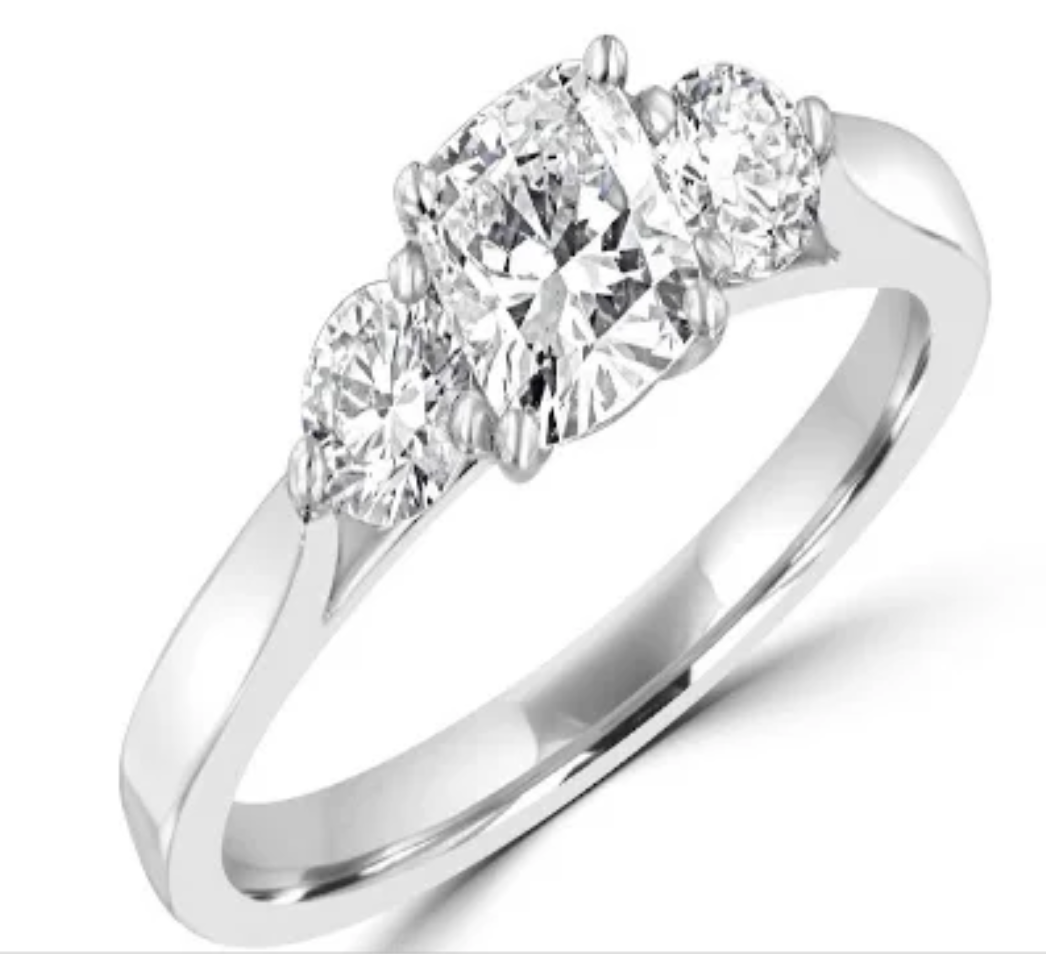
Lab-grown diamonds are chemically identical to mined stones, so choosing jewellery for a wedding, office, or gift comes down to cut, setting, and budget fit—not origin. Prices typically run 20–40% below mined equivalents, with studs from $200–$1,500 and solitaire rings from $800–$6,000. Shoppers comparing lab grown diamond hk retailers often find competitive pricing in Hong Kong’s wholesale districts, while Lab grown diamonds Europe buyers lean on certification standards.
Key Takeaways
- Match carat to occasion: 0.5–1 ct for daily wear, 1.5–3 ct for bridal.
- Always request IGI or GIA certification with a laser-inscribed girdle.
- Choose 14k gold or platinum for durability; 18k for a richer tone.
- Round brilliant hides inclusions best; emerald cuts demand higher clarity.
- Buy loose stones first, then set them—you control both budgets.
Everyday Office Wear
Keep it subtle. Bezel settings protect the stone and never snag clothing. Studs of 0.3–0.5 ct in 14k white gold read professional. Skip halos—they catch keyboard glare.
Engagement and Bridal
Solitaire or three-stone designs dominate here. A 1.5 ct round brilliant, VS2 clarity, F color, sits in most budgets. Platinum prongs outlast gold. Confirm the certificate matches the inscribed number before purchase.
Anniversary and Gifting
Tennis bracelets and eternity bands work because sizing is forgiving. Choose 2–3 mm stones for comfort. Lab grown diamonds Europe buyers often prefer rose gold; it photographs warmly and suits vintage styling.
Black-Tie and Evening
Go bold: 2 ct+ drops or chandelier earrings. Higher carat weights are affordable in lab-grown, so you can chase size. Pair with a simple neckline to avoid competing sparkle.
Matching Cut to Occasion
| Occasion | Best Cut | Carat Range | Metal |
|---|---|---|---|
| Office | Round, bezel | 0.3–0.5 | 14k white gold |
| Engagement | Round, oval | 1.0–2.0 | Platinum |
| Anniversary | Emerald, princess | 0.5–1.0 | Rose gold |
| Evening | Pear, marquise | 2.0–3.0 | 18k yellow gold |
Budget Tiers at a Glance
| Tier | Spend | What You Get |
|---|---|---|
| Entry | $200–$600 | Studs, small pendants |
| Mid | $600–$2,500 | Solitaires, tennis bracelets |
| Premium | $2,500–$8,000 | 2 ct+ rings, custom sets |
Certification Checklist
IGI and GIA remain the trusted labs. Check the report number online, verify the girdle inscription under a loupe, and confirm the grading matches the sales tag. No certificate, no purchase.
Metal and Setting Choices
Prong settings maximize light; bezels maximize protection. Palladium offers platinum looks at lower cost. Yellow gold flatters warm skin tones; white gold and platinum suit cool tones.
Where to Buy Confidently
Reputable jewelers offer return windows of 30 days and lifetime cleaning. Ask about buyback policies. Lab grown diamond hk markets cluster in Kowloon; compare at least three quotes.
Pro Tip: Photograph the certificate and stone together at purchase—it settles any future insurance claim instantly.
Warning: Avoid sellers who refuse independent appraisal or pressure same-day decisions.
Frequently Asked Questions
Are lab-grown diamonds real diamonds?
Yes. They share identical carbon structure, hardness, and optical properties. Only origin differs. Grading labs certify them the same way as mined stones.
Do they hold resale value?
Less than mined diamonds, typically 30–50% of purchase price. Buy for wear, not investment.
Can jewelers tell them apart?
Only with specialized equipment detecting growth patterns. Naked-eye identification is impossible.
Which clarity grade should I choose?
VS2 or better for stones above 1 ct. Below that, SI1 often looks clean to the eye.
Is 14k or 18k gold better?
14k resists scratches; 18k offers richer color. Daily-wear pieces favor 14k.
Conclusion
Start by setting a firm budget and occasion, then buy the certificate before the setting—that single order of operations prevents almost every costly mistake.
More
