
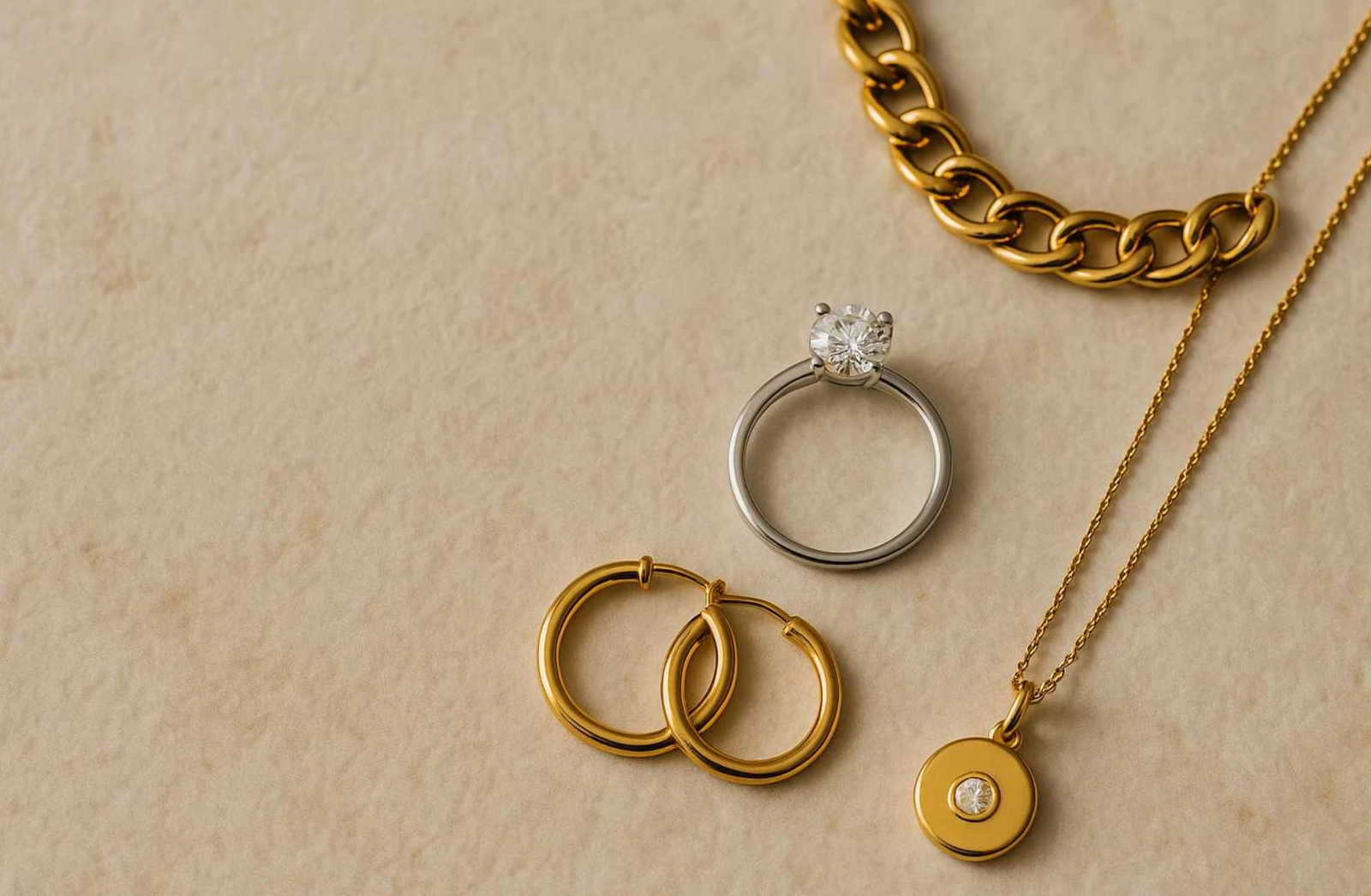
Today’s marketplace consumer does not anticipate jewelry brands relying on history, glamour, or scarcity to trigger her purchase. There is always the eternal charm of precious stones and metals, but today’s jewelry consumer is digitally engaged, socially aware, value-aware, and wiser than her ancestors. Beauty and luxury are no longer merely what jewelry is—it’s about being an expression of one’s identity, values, and emotional expression. Brands must move from elite aesthetic storytelling to a whole, human-obsessed way of designing, marketing, and operating. What contemporary consumers want is not only vital to success but also necessary to remain relevant within an industry that finds the balance between heritage and innovation.
Conscious Consumption and Ethical Sourcing
The consumer of today—Gen Z and Millennials specifically—is highly attuned to how and where the jewelry they purchase was made. Conscious consumption has resulted in the demand for consumers to shop values-based. To jewelers, that means more demand for ethically sourced material and transparent supply chains. Conflict diamonds, recycled gold, and lab-grown gemstones are becoming the de facto replacement for traditional materials. These consumers are looking for assurance that the used material in their jewelry does not lead to the degradation of the environment, along with the exploitation of human beings.
Such companies have a good chance of gaining customer loyalty by becoming responsible and transparent about their ethical supply chains. Just to say a diamond is conflict-free is no longer enough; consumers also need to know roughly where the diamonds come from, under what conditions the miners work, and whether the firm is certified by quality institutions. Above all, these values are no longer a marketing amenity- they are what is expected. Those fashion jewelry firms failing to maintain the ethical sourcing requirements risk going out of style overnight with today’s consumer.
Environmental Responsibility and Sustainable Packaging
Environmental sustainability is another such industry where jewelry brands also attract consumers. Fashion and luxury industries have been held responsible more for wastage, pollution, and pollution. Jewelry, being in general long-term in nature and strong, is no exception either. Activities of mining, processing, and packaging create humongous carbon prints and depletions.
So they are looking for businesses that value sustainability. That has to be demonstrated not just in packaging but throughout the life of a product, starting with production and continuing through packaging. Biodegradable or recyclable packaging, such as paperboard packaging for jewelry, is now ever more a consideration to keep in mind while shopping online. Businesses that adopt sustainable packaging and minimize unnecessary packaging material are deemed more innovative and more ethical.
Apart from performing repair activities, buy-back or resale places can also be a measure of a brand performing circular economy activities. Customers increasingly accepted that luxury is sustainable, and firms that were rewarded for being innovative in this way. Get into the details
Personalization and Emotional Relevance
Jewelry has always been an emotional product; today’s consumers want the symbolism customized too. They don’t want symbols for purchase. What they want is jewelry that speaks to them—be it a birthstone chain necklace, an etched personal phrase, or a customized piece marking a life milestone. Personalization develops stronger personal emotional connections and builds a stronger perceived value of the product, even stronger than the inherent value.
Those that offer custom design solutions, custom pieces, or even modular components that the purchaser may redesign themselves are hip. Virtual technology like 3D visualization or augmented reality try-ons is part of the deal to deliver a personal experience, especially when purchasing online. That sense of co-creation imbues it with depth of aesthetic and emotional value, so jewelry is now a predominantly customized product.
Along with the product, customers also seek one-to-one engagement through digital and offline touchpoints. From suggested products to live customer support, jewelry brands must show that they care and understand individual customer moments.
Transparency and Authentic Storytelling
Consumers today are fed up with superficial advertising. They are hungry for genuine stories, human feelings, and authenticity. They need to hear stories about the people behind the brand, the artisans who handpick the jewelry, and the principles that drive the business. Authentic storytelling enables brands to shift from generic luxury communication and discuss the actual hopes and fears of the consumers.
This is testified to in the trend towards backdoor brand content—branding the design process, iconicizing the ethical sourcing issues, or emphasizing collaboration with local artisans. Consumers will trust brands more if they are open in their processes and unapologetic in their communication.
And in the social media era, consumers will be drawn to brands that in some manner are like them. What a brand stands for in gender expression, cultural diversity, and activism will be as much of an incentive in what people buy as the product itself. Jewelry brands that stand for something—something beyond beauty—resonate with their consumer on a more meaningful level.
Inclusive Design and Representation
Diversity and inclusion are no longer a choice for today’s consumers. When it comes to jewelry, that extends beyond ads and photographs, but to product design and brand ethos. Consumers need to see body types, skin tones, and gender identities that are present in the world. They need product lines that differ by style, by price point, and by cultural celebrations.
Gender-neutral jewelry, for example, is a rapidly expanding segment, breaking the traditional mold of “men’s” and “women’s” lines. Brands are also expanding ring and bracelet size ranges to more comfortably fit all consumers. Consumers no longer view jewelry as an elitist or high-end collective endeavor but instead encourage brands to cater to individuality in everything.
Inclusive design also requires brands to listen to the communities they are addressing. Social listening, customer feedback, and customer co-creation are excellent sources to tap for insights on what different groups need from their jewelry experience.
Tech-Enabled Experiences and Omnichannel Engagement
In a world where the digital revolution has transformed today’s retailing, consumers are choosing seamless omnichannel experiences. From discovery to purchase to post-purchase, every touch point must be seamless and intuitive. Technology-enabled brands that bridge the gap between online and offline retailing can be winners in winning customer trust and loyalty.
Virtual try-on, interactive design studios, chatbots, and mobile websites are no longer a luxury to be desired but a must. And in physical stores, customers are seeking open, experience-oriented spaces where beauty and utility meet. In-store customization bars, displays of craftsman skill, and knowledgeable associates are all part of a high-touch, tech-enabled shopping experience.
The online platform is being utilized as a community platform as well. Social media marketing, influencer marketing, and content marketing allow brands to build loyal communities and enable customers to talk to each other. Top online jewelry brands are those that go beyond the transaction to build experiences and form long-term value.
Value for Money and Long-Term Investment
Contrary to common belief, today’s consumers are not price-sensitive—they are value-sensitive. Consumers will spend money on jewelry if they feel it will pay good dividends: aesthetic, emotional, ethical, or financial. Consumers do not view jewelry as a purchase but as an investment in their values, themselves, or their legacy.
Therefore, jewelry brands must price the item based on the above parameters, such as craftsmanship, quality of material, brand heritage, and value-added services such as guarantee or repair. Value for money also means timelessness and durability of design. The consumer today is not looking for trends and fast fashion, but rather is looking for the kind of piece that can be worn and enjoyed for years to come.
Through quality, durability, and transparent pricing, companies can inspire trust and encourage repeat purchases. Additional reinforcement of the perception of value can be done through simple payment plans, authenticity guarantees, and educational brochures on jewelry care.
Final Thoughts
Contemporary jewelry consumer is a discerning individual—educated, networked, creative, and communicative. He or she desires something more than glamour; he or she requires authenticity. Jewelry businesses that will succeed in this new world must get in sync with consumers and consumer values, invest in sustainability, go digital, and offer personalized and inclusive experiences. This is not a trend—so much more a seismic retransformation of what jewelry adornment and display will mean in the 21st century. It is only those companies that innovate, produce ethically, and compassionately that will not only satisfy
