
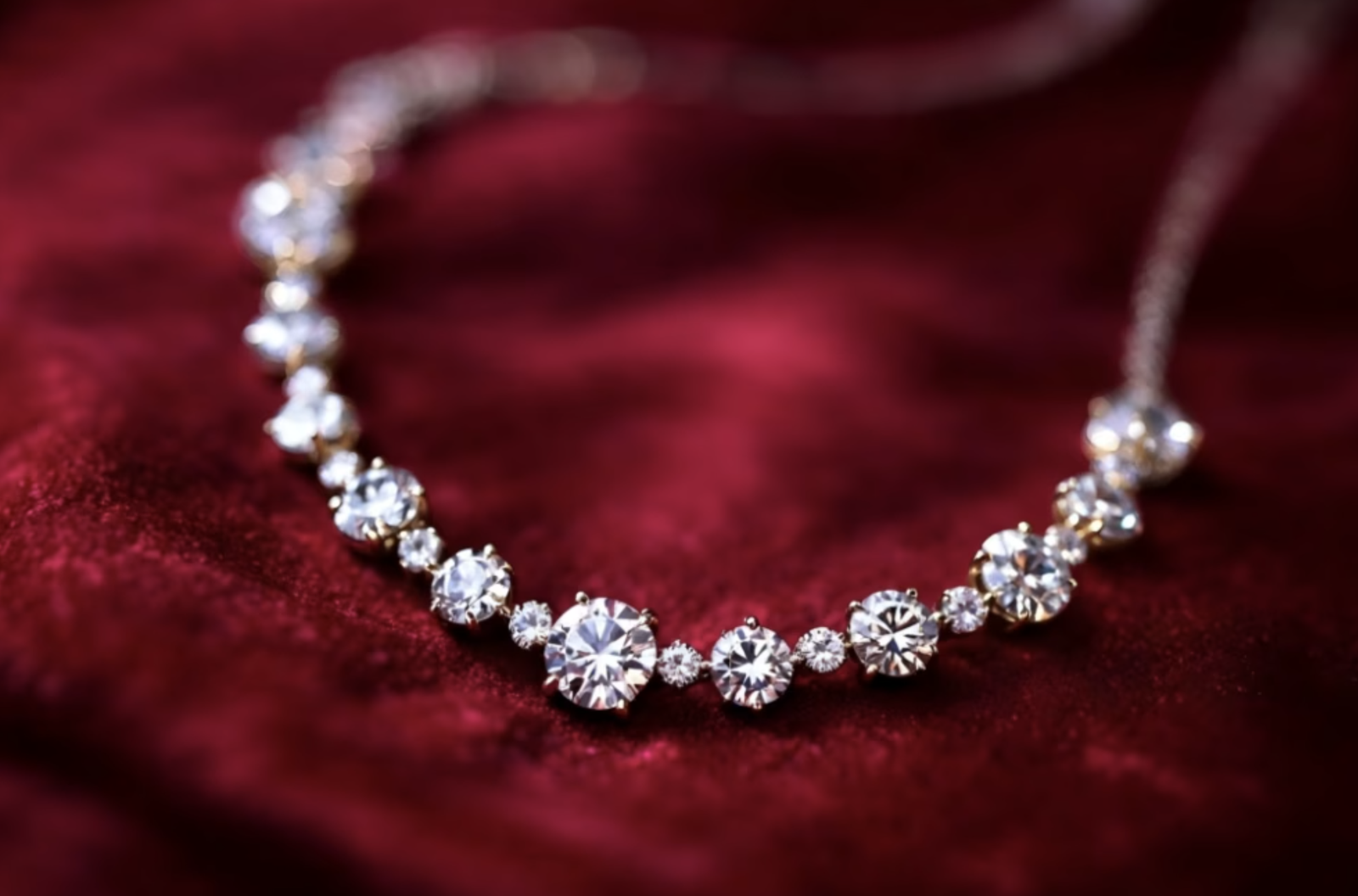
Many people have jewellery tucked away that they no longer wear: a diamond ring from a past chapter, inherited earrings that don’t suit their style, or a pendant that rarely leaves its box.
Those pieces may not be adding much to daily life, but they could help fund something useful, such as new lighting, a kitchen refresh, or the soft furnishings that finally pull a room together.
Selling valuable jewellery is part practical project and part mindset shift. It fits naturally with a more intentional home, where every object earns its place.
Done well, it can be a calm, informed process. Done carelessly, it can mean accepting less than the piece is worth.
This guide walks through the key steps, from gathering paperwork to choosing the right selling route, so you can approach the process with confidence and put the proceeds to good use.
What to Gather Before You Sell
Paperwork matters more than many sellers expect. Before you contact a buyer or list a piece online, collect everything you can find:
- Grading certificates from GIA, IGI, or another recognised laboratory
- Original receipts or other proofs of purchase
- Brand packaging, warranty cards, or service records
- Past appraisals, even if they are dated
Documentation reduces uncertainty for buyers. A diamond with a lab certificate often receives quicker, more confident offers because the buyer does not need to arrange an independent assessment of the stone’s characteristics.
If you have lost the original certificate, the issuing laboratory can sometimes provide a replacement, so it is worth checking.
Understand What Drives Value
You do not need to become a gemmologist, but a plain-English understanding of value drivers helps you assess any offer you receive.
The 4Cs. Diamond value is commonly assessed by cut, colour, clarity, and carat weight. Of these, cut quality has a strong influence on how a diamond looks to the eye because it affects sparkle and light performance, not just size.
Metal and craftsmanship. The purity of the setting, such as 18ct gold compared with 9ct, and the quality of the workmanship both contribute to value. Designer or branded pieces from well-known houses can carry a premium, though this varies by style, condition, and demand.
Condition and completeness. Matching sets, such as earrings with a pendant, and pieces in good condition tend to attract stronger interest. Current style trends also play a role. Some vintage designs are sought after, while others are valued mainly for their materials.
Prepare Your Pieces Carefully
A little preparation can help, but restraint is important. The aim is to present the jewellery clearly without risking damage, and to think about safe jewellery storage while you compare options.
- Clean gently. Warm water, a drop of mild soap, and a soft cloth are usually enough. Avoid ultrasonic cleaners or harsh chemicals, especially on older or delicate settings.
- Never pry stones out. Removing a diamond from its setting to sell it separately often reduces total value and risks damage.
- Photograph well. Take sharp, well-lit photos from the top, side, and at scale, such as next to a coin. These help when requesting postal quotes and protect you during shipping.
- Note what you know. Write down useful details such as carat weight, metal purity, and ring size. Even approximate figures can help start a valuation conversation.
- Store safely. Keep pieces in individual pouches or compartments to avoid scratching before sale.
Where to Sell: Choosing the Right Route
There is no single correct channel. The right route depends on what you are selling, how quickly you need funds, and how much effort you want to invest.
Specialist buyers. These businesses purchase jewellery directly. Turnaround is typically fast, the process is straightforward, and you receive a clear offer to accept or decline.
The trade-off is that offers reflect wholesale rather than retail value because the buyer needs margin for refurbishment and resale. If you prefer this route, review how valuations, insured courier options, return terms, and in-store appointments work before you send anything.
A London-based specialist’s page on how to sell diamond jewellery should explain these steps clearly before you commit.
Auction houses. Auctions can suit designer, rare, or especially high-value pieces. They can achieve strong prices when the right buyers are interested, but commissions apply, timelines are longer, and there is no guarantee of the final figure.
Consignment. A dealer sells on your behalf and takes a commission from the final price. This can work well for distinctive pieces, but it requires patience and trust in the consignment partner.
Peer-to-peer marketplaces. Direct listing platforms give you the most control over pricing, but also the most work. You are responsible for photography, listing details, communication, payment checks, and the risks of selling to strangers.
How to Compare Offers
When weighing options side by side, ask each potential buyer or service:
- How do they evaluate pieces, and what credentials do their assessors hold?
- What fees or commissions apply, and what are the net proceeds?
- How and when is payment made?
- What happens if you decline the offer? Is the piece returned at their cost?
- Do they provide insured courier options and written intake confirmation?
- What identification is required?
Getting answers in writing makes comparison simpler and gives you a record if anything goes wrong.
Safety and Shipping
If you are posting jewellery rather than visiting in person, a few precautions can reduce risk:
- Use an insured courier service with tracking. A standard post is not adequate for valuable items.
- Pack carefully in tamper-evident packaging.
- Create a photo inventory of every piece before sealing the parcel, including close-ups of any hallmarks or serial numbers.
- Request written intake confirmation from the buyer once the parcel arrives.
- Keep scans of all documents and certificates at home.
For in-person appointments, choose reputable premises, bring only the identification requested, and keep a record of what you hand over.
Pricing Reality Check
The gap between retail and resale often surprises first-time sellers. A ring bought for a certain retail price will almost always attract a lower offer on the secondary market.
This is not automatically a sign of a poor buyer. It reflects the costs of resale, including refurbishment, handling, risk, and the buyer’s own margin.
Set a realistic walk-away price before you begin. Be ready for counteroffers, take your time, and avoid anyone who pressures you into a quick decision. If an offer feels low, it is reasonable to get a second opinion elsewhere.
Turn Sale Proceeds into a Home Upgrade Plan
Once you have completed a sale, decide how you want the money to improve your home before it drifts into general spending. A clear plan helps turn a one-off sale into a lasting change.
High-impact, lower-cost upgrades often deliver the most satisfaction:
- Lighting. Swapping dated fixtures for warm, well-placed alternatives can change the feel of a room quickly.
- Paint and colour. A fresh palette, even in one or two rooms, can shift the mood of a space.
- Hardware. New handles on kitchen cabinets or bathroom fittings are a small spend with a clear visual effect.
- Soft furnishings. Considered textiles, such as curtains, cushions, and throws, add warmth without structural work.
A simple budget framework helps: list every potential upgrade, estimate the cost, and rank each one by impact. If you are coordinating sale proceeds with decorating choices, Urban Splatter’s ideas on how to fund your renovation can also be a useful reference when you are deciding where each pound will make the biggest difference.
Quick Decision Guide
Use this short guide to match your selling route to your main priority.
- Need funds quickly? A specialist buyer is often the simplest route. A pawnbroker may also be fast, but compare the net amount carefully.
- Have a designer or rare piece and can wait? Auction or consignment may achieve a higher final price, though fees and timelines matter.
- Want full control and have time to invest? A peer-to-peer marketplace gives you flexibility, but it demands more effort and carries more risk.
Common Mistakes to Avoid
Small mistakes can reduce your return or make the process more stressful. Watch for these common issues:
- Selling without gathering available paperwork first
- Over-cleaning or attempting to remove stones from settings
- Accepting the first offer without seeking at least one comparison
- Posting items without adequate insurance or tracking
- Making unverifiable claims about provenance or quality in marketplace listings
Frequently Asked Questions
These answers cover the questions sellers often have before choosing a route.
Does it matter if I don’t have a certificate?
You can still sell without one, but a grading certificate from a recognised laboratory, such as GIA or IGI, typically speeds up the process and can improve confidence in the offer. Without it, the buyer will need to assess the stone themselves, which may make the valuation more cautious.
Should I remove stones from their settings before selling?
In most cases, no. Mounted diamonds in well-made settings are usually worth more together than separately. Removing a stone also risks chipping or other damage. Let the buyer advise if separation makes sense for your specific piece.
How long does the selling process typically take?
It depends on the route. A specialist buyer may provide an offer within a few days of receiving or viewing the piece. Auction and consignment can take several weeks to a few months. Marketplace sales vary widely, so confirm expected timelines with your chosen provider.
Are there tax implications I should be aware of?
Tax treatment of personal possessions varies by jurisdiction. In the UK, HMRC provides guidance on capital gains relating to personal possessions that is worth reviewing. For specific questions, consult a qualified tax adviser before completing a sale.
