
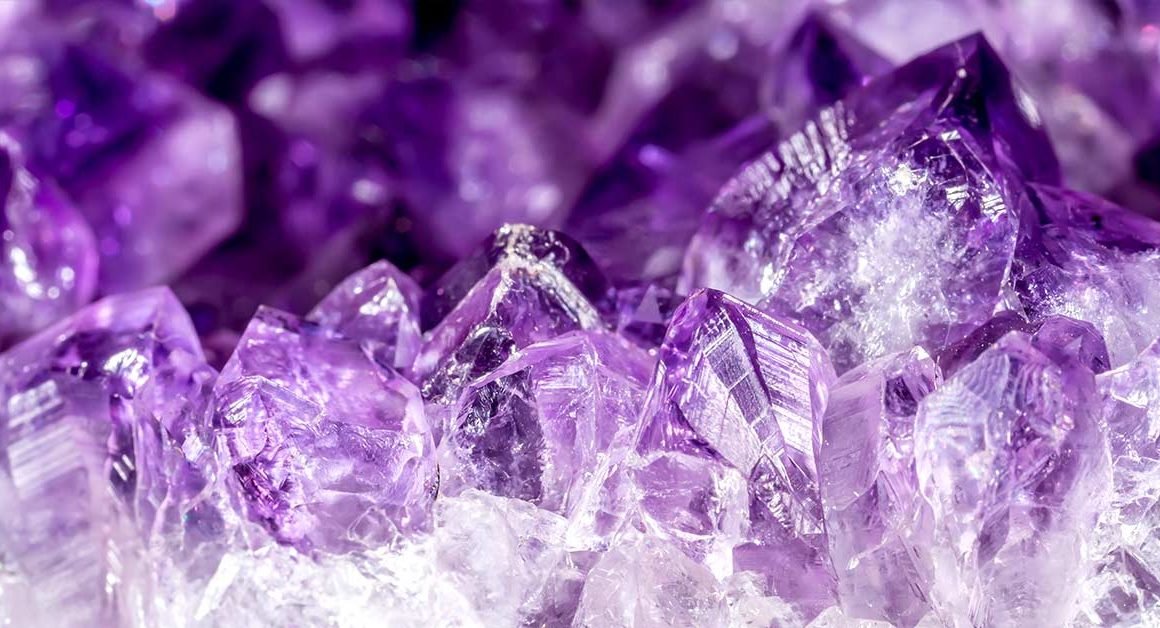
Purple has always carried a certain sense of mystery. It can look royal, dramatic, delicate, or wonderfully understated depending on the shade. Few natural stones capture that range as beautifully as amethyst Gemstones, a variety of quartz admired for centuries for its violet hues, durability, and distinctive character.
From pale lilac crystals to deep, saturated purple stones, amethyst offers remarkable variety. It is also one of the most accessible colored gemstones, making it appealing to both first-time buyers and experienced jewelry collectors. Whether you are considering an amethyst ring, pendant, bracelet, or loose stone, understanding what makes the gemstone special can help you make a more informed choice.
What Are Amethyst Gemstones?
Amethyst Gemstones are the purple variety of quartz, a mineral composed primarily of silicon dioxide. Their characteristic color can range from very light pinkish-purple to rich violet and reddish-purple.
The purple coloration is associated with trace elements and structural effects within the quartz crystal. Heat, irradiation, and geological conditions can also influence the final appearance of the stone.
Amethyst belongs to the same quartz family as several familiar varieties, including:
- Citrine, known for its yellow to golden colors.
- Rose quartz, recognized for its soft pink appearance.
- Smoky quartz, which ranges from grayish brown to deep smoky shades.
- Rock crystal, the transparent and colorless form of quartz.
This connection makes amethyst particularly interesting from a mineralogical perspective. A single mineral family can produce stones with dramatically different appearances.
The History of Amethyst Gemstones
The history of amethyst Gemstones stretches back thousands of years. Ancient civilizations valued purple quartz for both its visual appeal and the beliefs associated with it.
The name “amethyst” comes from the ancient Greek word amethystos, traditionally interpreted as “not intoxicated.” Ancient Greek beliefs connected the stone with protection from drunkenness, although this was a cultural belief rather than a scientifically established property.
Amethyst also became associated with royalty and religious traditions. Purple was historically difficult and expensive to produce in dyes, so naturally purple stones gained an elevated status.
Throughout history, amethyst has appeared in:
- Royal jewelry and decorative objects
- Religious jewelry and ceremonial pieces
- Rings and pendants
- Carved ornaments
- Antique and vintage jewelry
- Modern fashion collections
Large deposits discovered in different parts of the world eventually made the stone more widely available. Today, amethyst combines an impressive historical legacy with relatively accessible pricing.
Where Is Amethyst Found?
One of the fascinating things about amethyst Gemstones is their worldwide distribution. Significant deposits have been found in several countries, with Brazil and Uruguay particularly well known for producing attractive material.
Other sources include:
- Zambia
- South Korea
- Bolivia
- Mexico
- Namibia
- Canada
- The United States
- India
- Madagascar
Different geological locations can produce noticeably different colors and crystal formations. Some deposits are famous for intense purple crystals, while others produce lighter stones or distinctive zoning.
Brazil, for example, is well known for large geodes containing amethyst crystals. Uruguay has also produced exceptionally saturated purple material, often prized for its strong color.
Understanding Amethyst Color
Color is arguably the first feature most people notice when looking at amethyst Gemstones, and it has a major influence on visual appeal.
The most desirable appearance often involves a strong, attractive purple color combined with good transparency. However, personal preference matters considerably. Some buyers prefer a delicate lavender tone, while others want a dramatic, deeply saturated violet.
Amethyst color can generally be described as:
- Light lavender: Soft, subtle, and delicate.
- Medium purple: Balanced and versatile for jewelry.
- Deep violet: Rich and visually striking.
- Reddish-purple: A warmer appearance that can be especially appealing.
- Color-zoned: Displays areas of different color intensity.
Extremely dark stones are not automatically superior. If a gemstone becomes so dark that it appears nearly black under ordinary lighting, some of its internal character may be difficult to appreciate.
For jewelry, a well-balanced purple with attractive transparency is often more visually effective than simply choosing the darkest available stone.
Amethyst Gemstones and Clarity
Clarity refers to the presence or absence of inclusions and internal characteristics. Like many natural gemstones, amethyst Gemstones can contain tiny internal features formed during their growth.
High-quality faceted stones are generally appreciated when they appear relatively clean to the unaided eye. Small inclusions do not necessarily mean that a stone is poor quality, particularly when the inclusions are difficult to see without magnification.
When examining a stone, look for:
- Good transparency
- Minimal distracting inclusions
- Attractive internal reflections
- A clean appearance when viewed normally
- A balanced relationship between color and clarity
It is important not to demand laboratory-level perfection from every natural gemstone. Some internal characteristics are simply part of the stone’s geological story.
Amethyst Cut and Shape
Cut can transform the appearance of amethyst Gemstones. Even a beautiful rough crystal needs thoughtful cutting to display its color and brilliance effectively.
Popular shapes include:
- Round
- Oval
- Cushion
- Pear
- Emerald cut
- Princess or square
- Heart
- Marquise
- Fancy freeform shapes
Faceted amethyst is commonly used in rings, earrings, pendants, and other jewelry because facets can reflect light and create attractive flashes across the stone.
Cabochon cutting is another option. Instead of flat facets, the gemstone has a smooth, polished, curved surface. Cabochons can work particularly well with material featuring interesting color patterns, inclusions, or unusual visual effects.
Amethyst Gemstones: What Determines Their Value?
The price of amethyst Gemstones can vary considerably. Unlike some exceptionally rare colored gemstones, amethyst is generally available at accessible prices, but quality differences still matter.
Several factors influence value:
Color
Color is one of the most important considerations. Rich, attractive purple with good saturation is generally more desirable than extremely pale or unattractively dark material.
Clarity
A gemstone that looks clean and transparent can command greater interest, particularly in larger faceted stones.
Cut
A well-proportioned cut can maximize brilliance, color display, and overall beauty. Poor cutting may leave a stone looking dull or uneven.
Carat Weight
Larger amethyst is relatively common compared with some other gemstones, so size alone does not necessarily make a stone extraordinarily expensive.
Origin
Some buyers place value on geographic origin, especially when material from a particular locality has distinctive characteristics or collector interest.
Treatment
Heating and other treatments can affect how a gemstone is classified and valued. Buyers should understand whether a stone is natural, treated, or laboratory-created before making a purchase.
Natural vs. Synthetic Amethyst
One important distinction when buying amethyst Gemstones is the difference between natural and synthetic material.
Natural amethyst forms through geological processes over long periods. Synthetic amethyst, by contrast, is produced under controlled laboratory conditions and has essentially the same chemical composition and crystal structure as natural quartz.
Synthetic does not automatically mean “fake.” It means the material was created artificially rather than formed naturally in the Earth.
There are also imitation materials that may resemble amethyst without actually being quartz. These could include colored glass or other substances.
For buyers, the key is transparency. A reputable seller should clearly identify what is being offered.
Are Amethyst Gemstones Durable Enough for Jewelry?
With a hardness of about 7 on the Mohs scale, quartz is reasonably durable for everyday jewelry. This makes amethyst Gemstones practical for many types of jewelry, although they are not completely scratch-proof.
Harder materials can scratch quartz, and sharp impacts can potentially damage a gemstone. Rings may receive more wear than pendants or earrings because hands frequently encounter surfaces and objects.
For everyday use, consider the design of the jewelry as well as the stone itself. A protective setting can help reduce the likelihood of accidental damage.
Amethyst Jewelry Styles
The versatility of amethyst Gemstones makes them suitable for almost any jewelry style.
Amethyst Rings
An amethyst ring can serve as a colorful alternative to traditional diamond or sapphire designs. Purple stones work beautifully with white metals, yellow gold, rose gold, and mixed-metal settings.
For a ring intended for frequent wear, pay attention to the setting. Protective prongs or bezel-style designs can help shield vulnerable areas of the gemstone.
Amethyst Necklaces and Pendants
Pendants are an excellent choice for showcasing larger stones or distinctive crystal forms. Because necklaces generally experience less direct impact than rings, they can be a practical way to enjoy a statement gemstone.
Amethyst Earrings
Earrings allow the color of the stone to catch light around the face. Smaller faceted stones can create sparkle, while larger drops can produce a more dramatic effect.
Amethyst Bracelets
Bracelets can incorporate individual gemstones, beads, cabochons, or faceted stones. However, they may experience knocks against desks, doors, and other surfaces, so thoughtful care is important.
The Symbolism and Meaning of Amethyst
Many people are drawn to amethyst Gemstones not only because of their appearance but also because of their symbolism.
Across different cultures and traditions, amethyst has been associated with ideas such as:
- Peace
- Calmness
- Spiritual reflection
- Protection
- Clarity
- Balance
- Inner strength
These associations are cultural and spiritual rather than scientifically proven properties. A person may choose amethyst because its symbolism has personal meaning, while another buyer may simply appreciate its color and geological characteristics.
The beauty of gemstone symbolism is that it can be personal. A purple stone purchased to commemorate an important milestone may carry significance that has nothing to do with traditional folklore.
February Birthstone
Amethyst is traditionally recognized as the birthstone for February. This makes it a popular choice for birthday jewelry and personalized gifts.
A February birthstone gift can be especially meaningful when the design is selected around the recipient’s personality. A minimalist pendant, classic ring, or pair of earrings can all incorporate the gemstone without looking overly formal.
Because amethyst is available in many sizes and styles, there is considerable flexibility when choosing a piece within a particular budget.
How to Choose Quality Amethyst Gemstones
Buying amethyst Gemstones becomes much easier when you know which features deserve attention.
Start by examining the stone under good lighting. Natural daylight or neutral white lighting can help you see its true color more accurately.
Then consider these questions:
- Is the purple color attractive and evenly distributed?
- Does the stone look transparent rather than cloudy?
- Are inclusions visible without magnification?
- Is the cut symmetrical and well proportioned?
- Does the gemstone show attractive brilliance?
- Is the seller clearly describing any treatments?
- Does the price make sense for the size and quality?
- Is there appropriate documentation for a particularly valuable stone?
Do not buy based solely on carat weight. A smaller stone with excellent color and cutting can look considerably better than a much larger stone with weak color and poor proportions.
How to Care for Amethyst Gemstones
Proper care can help amethyst Gemstones maintain their appearance for many years.
For routine cleaning, use lukewarm water, a small amount of mild soap, and a soft cloth or soft brush. Gently remove dirt and oils, then rinse thoroughly and dry the gemstone with a clean, soft cloth.
Avoid exposing amethyst unnecessarily to:
- Harsh household chemicals
- Abrasive cleaners
- Sudden temperature changes
- Prolonged intense heat
- Rough surfaces
- Strong impacts
Some amethyst can fade with prolonged exposure to strong light or heat, so storing jewelry away from direct sunlight is a sensible precaution.
Keep each gemstone or jewelry piece in a separate soft pouch or compartment. This reduces contact with other jewelry and helps prevent scratches.
Common Myths About Amethyst
There are numerous claims online about the supposed powers of amethyst Gemstones. It is useful to separate cultural tradition from scientific evidence.
Claims that amethyst can cure diseases, replace medical treatment, detoxify the body, or guarantee specific health outcomes are not established medical facts.
That does not mean people cannot value the stone spiritually. Jewelry can provide emotional meaning, reminders of personal goals, or a sense of connection to tradition. The important distinction is between symbolic or spiritual use and scientifically demonstrated medical effects.
Is Amethyst a Good Gemstone for Investment?
The answer depends on what “investment” means.
Ordinary commercial-quality amethyst is relatively abundant, so buyers should not automatically assume that purchasing a large stone will produce significant financial appreciation.
Exceptional specimens can be a different matter. Rare geological formations, unusually attractive crystals, historically significant pieces, or high-quality collector specimens may attract specialized interest.
If your primary goal is jewelry enjoyment, focus on beauty, craftsmanship, authenticity, and personal preference rather than assuming future price appreciation.
Why Amethyst Continues to Be Popular
There is a practical reason amethyst Gemstones remain popular: they combine color, durability, history, and accessibility unusually well.
A buyer can find delicate lavender stones for understated jewelry or dramatic deep-purple specimens for statement pieces. The gemstone also works across different metals and design styles.
For someone purchasing a first colored gemstone, amethyst can be an approachable introduction to the world of gemstones without requiring the budget associated with some rarer varieties.
Conclusion: Choosing Amethyst With Confidence
Amethyst Gemstones offer far more than a beautiful purple color. Their geological history, cultural symbolism, variety of shades, durability, and broad range of jewelry applications make them fascinating stones for both casual buyers and serious enthusiasts.
If you are shopping for one, look beyond size alone. Pay attention to color, clarity, cut, transparency, treatment disclosure, craftsmanship, and seller reputation. A gemstone that looks beautiful to your eyes and is accurately represented by the seller is usually a much more satisfying purchase than one chosen simply because it has a higher carat weight.
Whether you are buying an amethyst as a February birthstone, selecting a meaningful gift, adding color to your jewelry collection, or simply appreciating a remarkable natural mineral, take time to examine the stone closely. The right piece should not only look beautiful today but also remain something you enjoy wearing or displaying for years to come.
Frequently Asked Questions About Amethyst Gemstones
1. Are amethyst Gemstones real gemstones?
Yes. Amethyst is a genuine natural gemstone and a purple variety of quartz. Natural amethyst forms through geological processes and can vary significantly in color, clarity, crystal structure, and size. Synthetic amethyst also exists and has essentially the same chemical composition as natural quartz, but it is laboratory-created rather than naturally formed.
2. What color of amethyst is most valuable?
There is no single shade that is automatically the most valuable in every situation. In general, attractive, well-saturated purple with good transparency is highly desirable. Deep violet and reddish-purple tones can be particularly appealing, but excessively dark material may lose some of its visual liveliness. The overall combination of color, clarity, cut, size, and quality should be considered.
3. Can I wear an amethyst ring every day?
Amethyst can be suitable for everyday jewelry because quartz has a Mohs hardness of about 7. However, it can still be scratched or damaged by harder materials and strong impacts. If you wear an amethyst ring daily, choose a protective setting and remove the ring when doing activities that could expose it to heavy impact, chemicals, or abrasive materials.
4. How should I clean amethyst Gemstones?
For routine cleaning, use lukewarm water, mild soap, and a soft cloth or soft brush. Gently clean the gemstone, rinse it thoroughly, and dry it afterward. Avoid harsh chemicals, abrasive products, and unnecessary exposure to high heat. If the gemstone is mounted in an older or delicate piece of jewelry, professional cleaning may be preferable.
5. How can I tell whether amethyst is natural?
Visual inspection alone cannot always establish whether a gemstone is natural, synthetic, treated, or an imitation. A reputable jeweler or gemological laboratory can provide more reliable identification. When buying an expensive specimen, ask for clear disclosure regarding its origin and treatments and, when appropriate, obtain an independent gemological report.
