
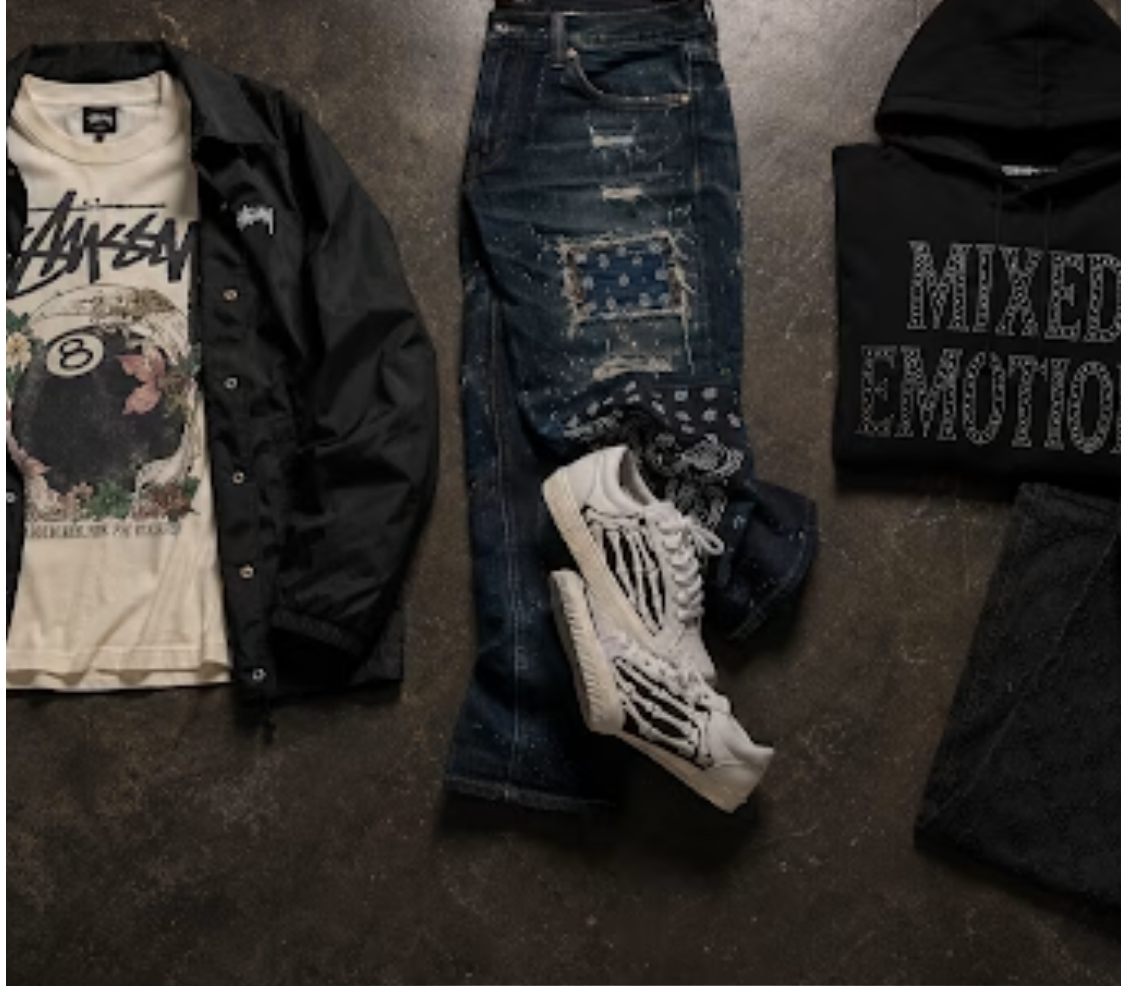
Why These Three Names Keep Coming Up in Every Streetwear Conversation
If you’ve spent any time paying attention to what people are actually wearing on the street not just on runways or in campaign photos then Stussy, Amiri, and Mixed Emotion are probably three names you’ve already heard. Each one sits in a different corner of the streetwear world, and yet all three seem to come up in the same conversations about brands that people trust and keep coming back to. That’s not an accident, and it’s not purely because of marketing. The streetwear space is crowded right now. Dozens of new labels drop every month, and most of them disappear within a year because they’re chasing trends rather than building something that lasts. The brands that do stick around tend to share a few traits they have a clear identity, they build clothes that hold up over time, and they don’t try to be everything to everyone. Each of the three we’re looking at here hits those marks differently, which is exactly what makes them worth discussing together. Stussy built its name over decades as the brand that more or less invented modern streetwear as a category. Amiri pushed the idea that luxury denim and streetwear-influenced pieces could overlap in a way that didn’t feel forced or pretentious. Mixed Emotion showed that a newer label could compete on quality and design consistency if it stayed focused. So this guide is going to break down what each brand actually is, what makes their pieces worth owning, and how to think about them if you’re building a wardrobe that works every day rather than just in photos.
The Stussy Legacy: Decades of Getting It Right
There aren’t many brands that can honestly say they influenced the entire direction of a fashion category, but Stussy is one of them. Founded in the early 1980s by Shawn Stussy, it started as a surfboard business that turned into a clothing line, and within a decade it had created the blueprint that basically every streetwear brand since has borrowed from the graphic-heavy tee, the dropped logo, the relaxed fit, the limited-run collaborations that keep a label feeling fresh without abandoning its core identity. What’s impressive, honestly, is that Stussy managed to stay relevant across multiple decades and multiple shifts in what “cool” meant to different generations of buyers. That’s genuinely hard to do. Brands that get popular young audiences tend to age out of relevance when those audiences grow up and move on to the next thing, but Stussy avoided that trap by staying consistent with its California surf and skate roots while also adapting its silhouettes and color palettes to fit each era without completely erasing what came before. Their heavyweight cotton pieces wear in beautifully over time something you only notice if you’ve owned one long enough to put it through a real season of wear. The stitching doesn’t unravel, the graphics don’t crack at the first fold, and the fits have stayed wide enough to feel current across multiple trend cycles. If you’re building a core streetwear wardrobe and you want pieces that have proven staying power,Stussy belongs in it.
 How Amiri Bridged the Gap Between Luxury and Street

Most attempts to combine luxury fashion with streetwear end up feeling like one world is trying on the costume of the other, and you can feel the awkwardness in the product itself. Amiri, founded by Mike Amiri in Los Angeles, sidestepped that problem by starting from streetwear and working upward rather than starting from luxury fashion and working down. The MX1 jeans which became the brand’s signature piece use a bandana-patch distressing technique that takes genuine hand-finishing time to produce, and you can feel that when you handle the fabric. The denim itself is heavy, sits differently than a fast-fashion pair, and the distressing doesn’t look machine-made because it isn’t. The Skel-Top sneakers followed the same logic: premium leather, hand-finished details, a silhouette that reads streetwear without leaning on the kind of chunky outsoles that date sneakers quickly. The brand expanded from there into jackets, knitwear, and accessories, all of which carry the same LA-rock-influenced aesthetic dark, a little rebellious, well-made without being stiff or precious about it. The honest limitation worth noting here is that the pricing puts Amiri firmly in the luxury tier, which means it’s not the right entry point if you’re new to investing in premium pieces and aren’t ready to commit that much to
a single item. But if you’re ready to own one or two pieces that will last years and look better with use than they did fresh out of the box, the Amiri represents the brand’s DNA in wearable, everyday form.
What Makes Mixed Emotion Different From Every Other New Label
The streetwear market has no shortage of new brands claiming they’re different, but Mixed Emotion actually backs that claim up with specifics. First, the naming approach across the collection is genuinely unusual instead of generic graphic prints or logo repetition, every piece carries a mood-based name like Angel, Astronaut, Goblin, or Ranger, and that idea runs through the design rather than just the tag. Second, the rhinestone details are heat-pressed deep enough to survive regular washing, which sounds like a small thing until you’ve owned pieces from other brands where the stones fell out after two washes. Third, the monogram denim comes in four distinct washes rather than just one or two options, so it actually integrates into an existing wardrobe instead of forcing you to build around it. Here’s a practical detail most buyers figure out only after they own the pieces: the cotton on the hoodies is notably heavier than what most similarly priced streetwear brands use, which means they hold their silhouette after multiple machine washes rather than going shapeless after a season. That weight difference isn’t something you can fully appreciate in a product photo, but you feel it immediately when the order arrives. The following reasons explain why Mixed Emotion keeps bringing customers back:
- The rhinestone placement is designed and tested, not random, which means pieces look intentional rather than decorated
- Cotton fabric weight runs heavier than the category average, so shape and color hold after regular washing
- Mood-based naming gives the pieces a design identity that doesn’t rely on logo repetition
- The monogram denim covers four washes including black, blue, grey, and light blue for easy wardrobe matching
- Free worldwide shipping kicks in at orders over $150, which is reachable on a single-item purchase
Building a Full Streetwear Wardrobe Across These Three Brands
Most streetwear buyers start by collecting individual pieces they like and then figure out how to make them work together afterward, but if you’re thinking about it more deliberately from the start, these three brands actually complement each other well. Stussy handles your core basics the mid-weight graphic tees, the coaches jackets, the cotton shorts pieces that form the foundation of a daily wardrobe without demanding attention. Amiri elevates specific items in the rotation, particularly the denim and footwear, which are the two categories where spending more per piece genuinely pays off in longevity and appearance over time. Mixed Emotion fills in the expressive pieces the rhinestone hoodie that anchors an outfit, the monogram denim that carries a visual signature, the acid wash layers that add texture without overpowering everything else. This is, personally, my preferred way to think about building a wardrobe rather than committing everything to a single brand, because it gives you versatility without sacrificing consistency of quality. The trick is avoiding the trap of buying too many statement pieces at once, because even great statement pieces compete with each other when you try to wear them in the same outfit. The better move is to let one piece lead each look and keep everything else supporting it quietly, which is actually easier to do when you’re mixing brands rather than sticking to one label’s full look. A single Amiri jacket over a plain Stussy tee and Mixed Emotion monogram jeans is a complete outfit that doesn’t look like you tried too hard, and that balance is harder to achieve than it sounds.
How Each Brand Handles Fabric and Construction
If you care about how clothes actually hold up and you should if you’re spending real money on them then it’s worth understanding how these three brands approach construction differently. Stussy uses cotton blends that have been refined over decades of production, and the result is a consistent fabric hand that buyers recognize immediately if they’ve owned multiple pieces across different years. The silhouettes are simple enough that the construction quality shows clearly rather than being hidden under complex design details. Amiri takes a more labor-intensive approach, particularly on the denim and leather goods, with hand-finished distressing on jeans that adds production time most fast-fashion operations simply can’t justify. The leather on the Skel-Top sneakers is full-grain and develops a patina with wear rather than cracking or peeling, which is a fundamental difference between quality leather and the bonded alternatives most lower-priced brands use. Mixed Emotion sits at an interesting middle point accessible pricing relative to Amiri but with construction choices that punch above that tier, including the heavier cotton weights mentioned earlier and rhinestone application techniques borrowed from higher-end accessories manufacturing. The Mixed Emotion shows this clearly, where the acid wash finish is achieved through a genuine dyeing process rather than a printed overlay that fades unevenly, and the result is a color variation that looks better with age rather than looking worn out. None of these three brands are cutting corners on materials, which is exactly why they hold their value and their shape when cheaper alternatives don’t.
The Styling Logic That Actually Works for All Three
Getting dressed in streetwear should be simple, but it’s surprisingly easy to overcomplicate it. The most consistent mistake is wearing too many competing focal points at once three branded pieces in one outfit creates noise rather than a clear look, and the individual items cancel each other out. The rule that works best, based on years of actually wearing this stuff daily rather than just writing about it, is to give one piece per outfit the attention and let the others support it quietly. If you’re wearing an Amiri piece say, the MX1 jeans with their signature bandana patches then the top should be relatively clean, ideally a plain heavyweight tee or a minimalist graphic. If the Mixed Emotion rhinestone hoodie is the lead piece, then the bottoms should be solid and simple, which is exactly where Stussy’s basic shorts or a plain black denim come in. The mistake most people make with rhinestone or heavily detailed pieces is pairing them with other statement items, and the result looks busy rather than deliberate. Color coordination across these brands is genuinely easy because all three lean toward a dark, neutral base palette black, white, grey, navy, and earth tones dominate each collection which means pieces mix without clashing. You don’t need to match brand to brand. You need to match the weight of visual detail to what the rest of the outfit can carry, and keeping that balance is the actual skill that separates a good streetwear outfit from a great one.
What These Brands Teach You About Buying Better, Not More
There’s a version of streetwear consumption that’s basically a hamster wheel always buying new things because the last drop already feels dated, always spending money to stay current, and ending up with a closet full of pieces you barely wear. These three brands, each in their own way, point toward a different approach. Stussy’s longevity alone is an argument for buying fewer, better pieces their pieces from five years ago look current today because the design language doesn’t chase a single season’s trends. Amiri’s price point forces intentionality, since you don’t spend that much on a pair of jeans without thinking carefully about whether you’ll actually wear them across multiple seasons. Mixed Emotion’s construction quality and the durability of their finishes mean you can wear the same hoodie consistently without it losing its shape or visual appeal within a few months. The honest truth about streetwear is that the brands worth spending money on are the ones that make you want to reach for the same piece again and again rather than hunting for the next drop, and all three of these labels make pieces that earn that kind of loyalty through quality rather than hype. That doesn’t mean you can’t get excited about new releases you absolutely can and should, because new design is what keeps streetwear alive as a creative space but the wardrobe backbone should be built from pieces you’ve already worn and trusted. That’s the shift from collecting to actually dressing well, and it’s a shift worth making.
Final Words
These three brands represent something genuinely worthwhile in a market that produces a lot of forgettable product. Stussy has decades of proof behind its consistency. Amiri earns its luxury positioning through real craftsmanship rather than just pricing. Mixed Emotion brings younger-brand energy with construction quality that older labels should honestly pay more attention to. You don’t need to own all three to dress well, but understanding what each one does best gives you a sharper sense of where to put your money when you’re ready to invest in pieces that will still be in your rotation two or three years from now. Buy with intention, wear everything you buy, and let the pieces earn their place in your wardrobe through actual use. That’s the whole idea.
FAQs
Q: Is Stussy still relevant in 2025? A: Yes, and genuinely so not just by reputation. Stussy has maintained design consistency across over four decades while updating silhouettes and colorways season by season, which is why the brand still appears in high-profile collaborations and attracts buyers across multiple age groups simultaneously.
Q: What’s the difference between Amiri’s regular pieces and its luxury tier items? A: Most of the difference shows up in the finishing details and the materials used. The MX1 jeans, for example, use hand-finished distressing and heavier denim weights than the brand’s more accessible pieces, and the leather goods use full-grain leather rather than bonded alternatives. The price reflects labor-intensive production rather than just branding.
Q: Does Mixed Emotion ship internationally? A: Yes. Mixed Emotion ships worldwide, with two options a standard delivery rate of $19 taking up to 21 business days, or a faster $29 option arriving in 7 to 8 business days. Orders over $150 qualify for free international shipping automatically.
Q: Can I mix Stussy, Amiri, and Mixed Emotion pieces in the same outfit? A: You can, and it usually works well because all three brands share a similar dark, neutral base palette. The key is giving one piece the lead role visually and keeping the others relatively quiet so the look reads deliberate rather than busy.
Q: Are Mixed Emotion’s rhinestone pieces durable enough for regular wear? A: Yes, more so than many similar-looking pieces in the market. The rhinestones are heat-pressed rather than glued, which means they hold through regular machine washing without dropping off. That said, dry cleaning or a gentle cycle will always extend the life of any detailed piece regardless of brand.
